
The L.O.S.S. Team (Local Outreach to Suicide Survivors)
Supporting individuals and families in Texoma in the moments that matter most.
Our Approach
When someone experiences the loss of a loved one to suicide, the moments that follow can feel overwhelming, isolating, and uncertain. The Texoma L.O.S.S. Team exists to step into that moment — providing immediate, compassionate support to those impacted by suicide loss. Through trained volunteers and a coordinated response, we offer comfort, connection, and trusted resources to help individuals begin to navigate grief and healing.
You don’t have to navigate this alone
-
You don’t have to navigate this alone -

Why the L.O.S.S. Team Is Needed in Texoma
Heartbreaking losses to suicide remain high across Texoma, with a rate of approximately 24 across Bryan, Fannin, Grayson, and Marshall Counties, compared to a national rate of 14.
Research shows individuals who lose a close friend or family member to suicide are significantly more vulnerable while grieving and healing — making early support critical.
The L.O.S.S. Team exists to provide that support at the moment it is needed most.
What Is the L.O.S.S. Team?
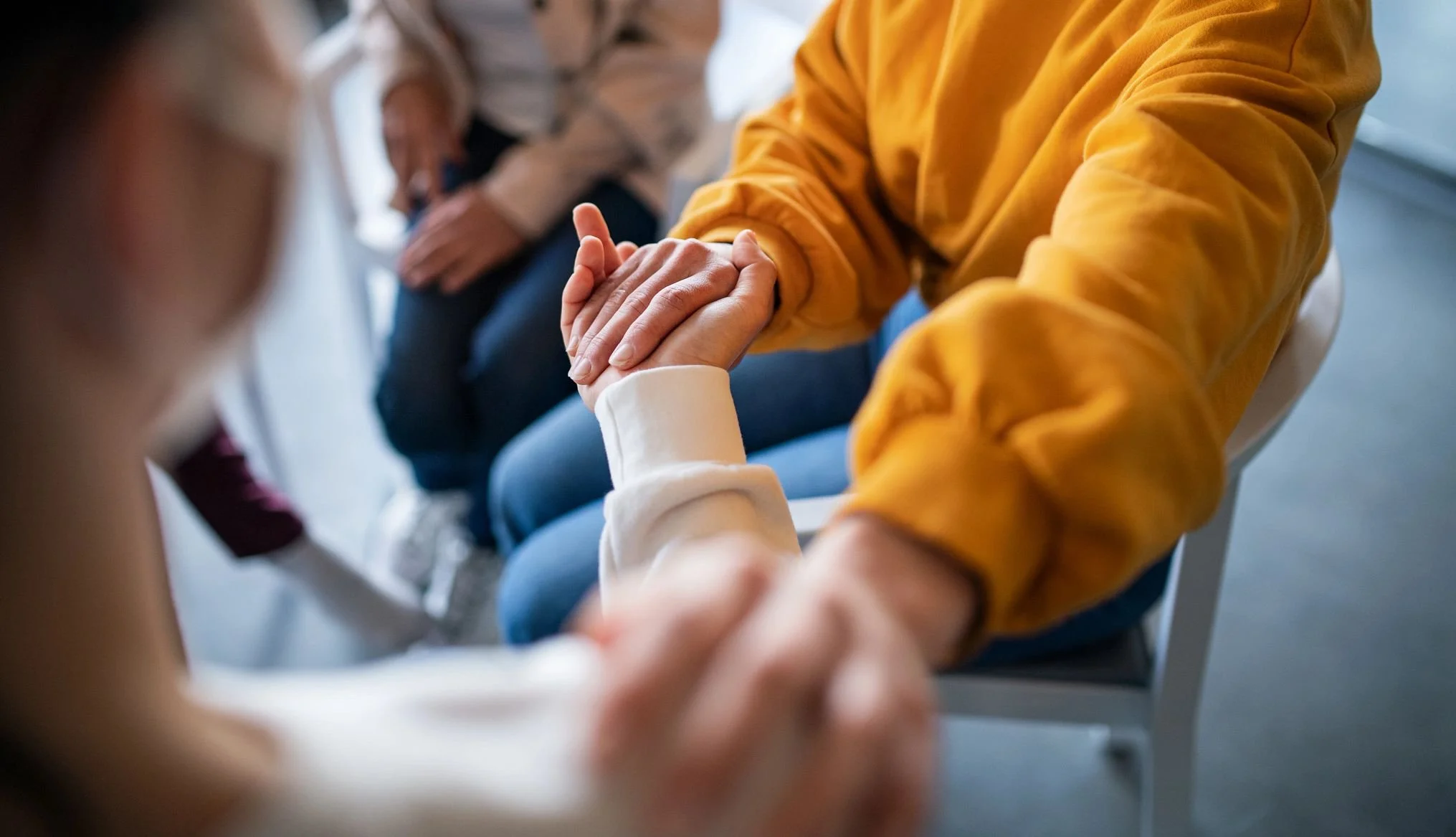
L.O.S.S. (Local Outreach to Suicide Survivors) is an active suicide postvention model designed to support those left behind after a suicide.
The model involves trained volunteers who respond shortly after a loss to offer:
• compassionate presence
• emotional support
• helpful resources
• connection to ongoing care
At least one team member is a survivor of suicide loss, bringing lived understanding and empathy to those navigating grief.
The team supports individuals in a respectful, nonintrusive manner and works alongside first responders and community partners.

How the L.O.S.S. Team Responds
When activated, trained volunteers may respond to the scene or shortly afterward to support individuals affected by the loss.
Their role is not clinical treatment, but immediate support — helping reduce isolation, answer questions, and connect individuals with trusted local resources for ongoing care.
This approach reflects a guiding principle of the model:
Postvention is Prevention.

A Proven Model with Global Reach
The concept of postvention as prevention was first introduced by Dr. Edwin Shneidman in 1972. The modern L.O.S.S. Team model was later developed by Dr. Frank Campbell, who recognized the need for earlier intervention after learning it often took survivors an average of 4.5 years to seek help following a loss.
The first L.O.S.S. Team launched in Baton Rouge, Louisiana in 1998. Since then, the model has expanded across the United States and internationally.
Building a L.O.S.S. Team in Texoma
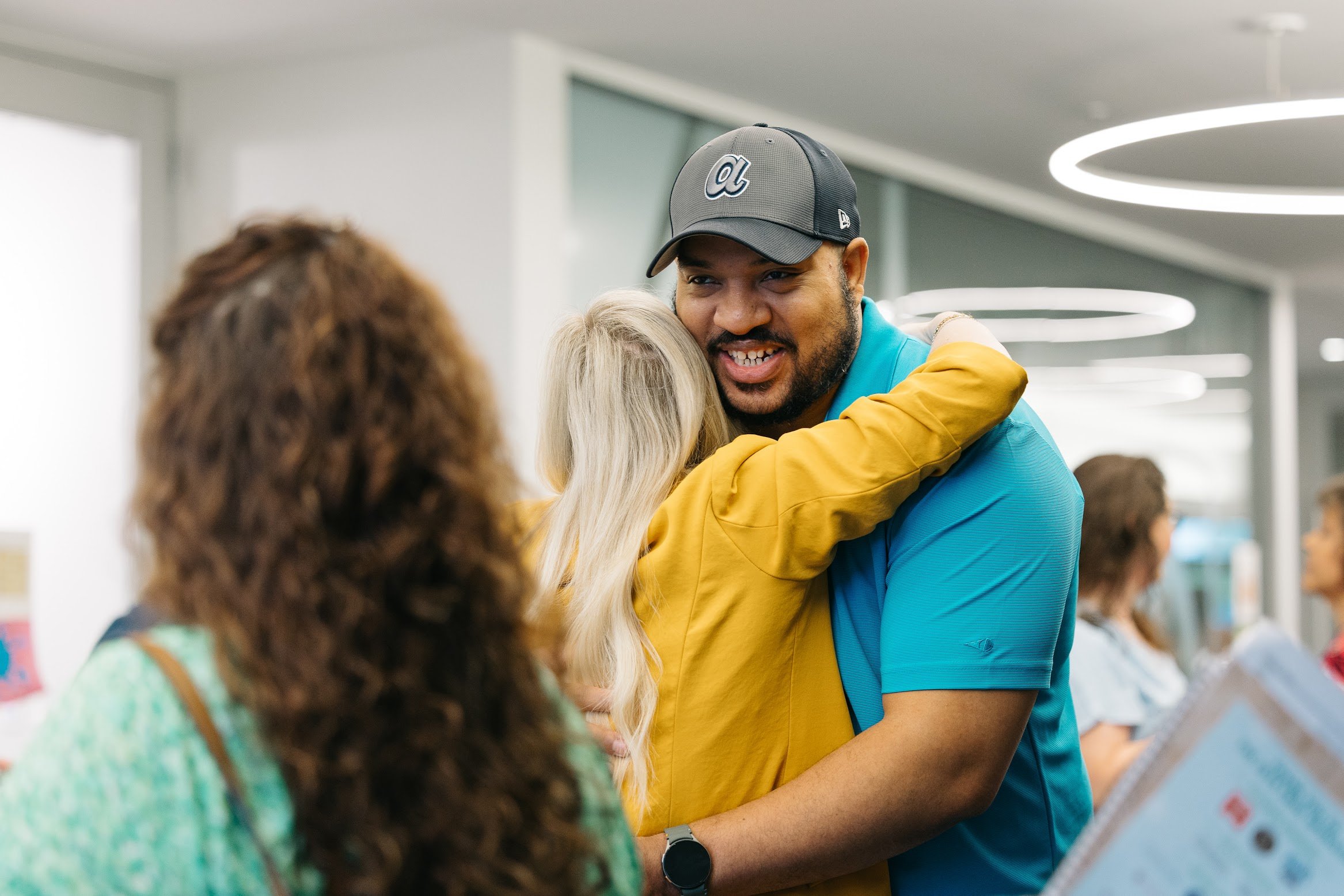
TBHLT is working with regional partners to explore what a L.O.S.S. Team could look like in Texoma, including:
• leadership and coordination
• training opportunities
• sustainability and operations
• community partnerships
This work reflects our commitment to strengthening behavioral health support across the region.